BLDC MOTOR

Brushless DC Motor

United Motion Inc. provides brushless DC motors for industrial automation, robotics, electric mobility, solar tracking, pumps, lawn equipment and other applications. Multiple frame sizes and customization options are available to meet different speed, torque and installation requirements.
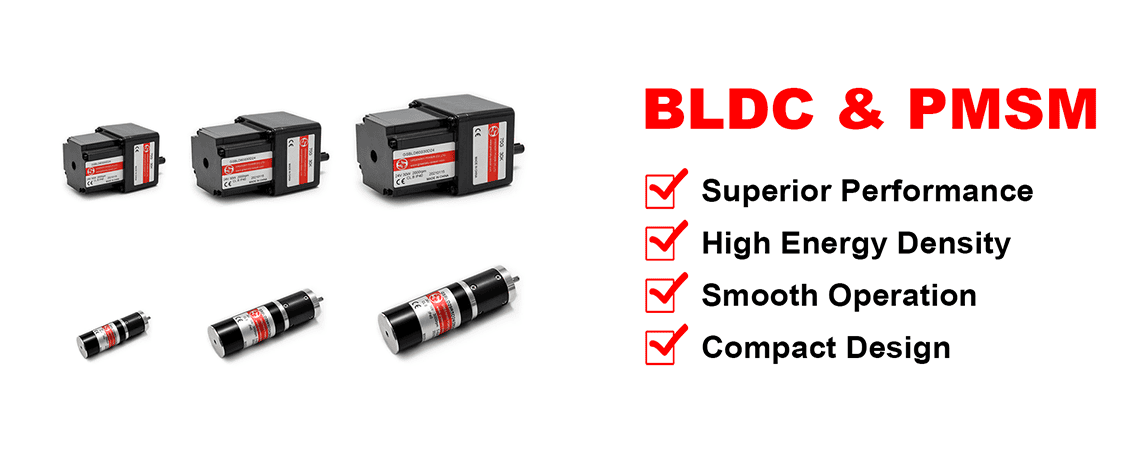
28–110 mm Frame Sizes
Multiple Voltage Options
Hall Sensor Available
Encoder Integration
Gearbox Integration
Multiple Application Options
BLDC Motor and PMSM Motor
BLDC MOTOR OVERVIEW

What Is a BLDC Motor?

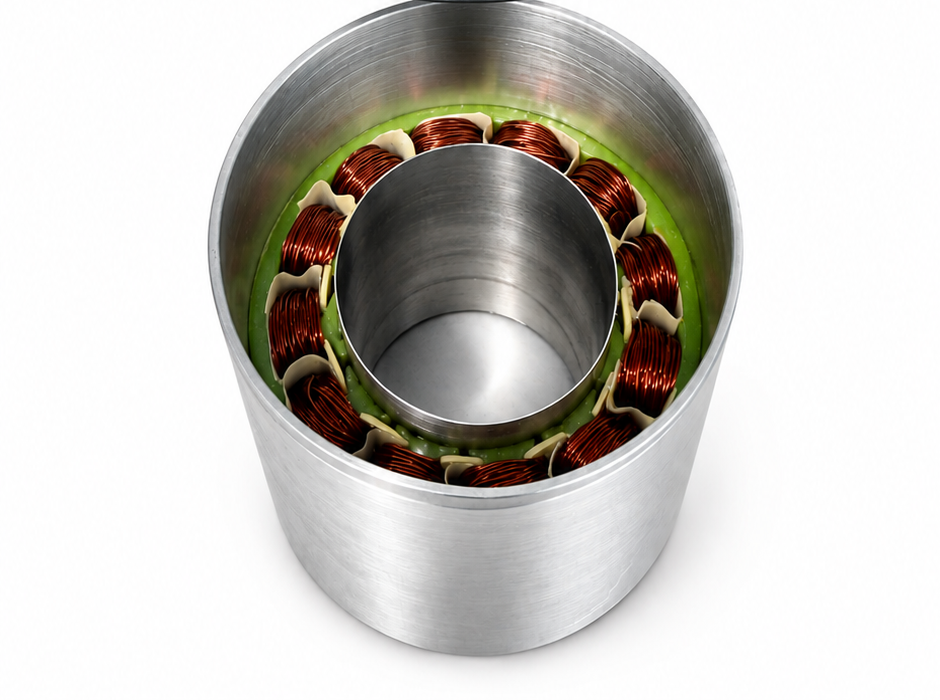
A brushless DC motor uses permanent magnets in the rotor and electronic commutation instead of mechanical brushes and a commutator. This structure supports efficient, smooth and low-maintenance operation.

01

Brushless Construction

No mechanical brushes or commutator are required, reducing brush wear and maintenance requirements.

02

Compact Motor Design

Multiple frame diameters allow engineers to select a motor according to available installation space.

03

Electronic Commutation

Electronic commutation supports controllable speed and dynamic response with a suitable motor driver.

PRIMARY FEATURES

Why Choose BLDC Motors?

01

Higher Power Density

Permanent magnet rotor construction enables compact motor designs with strong output relative to frame size.

02

Higher Efficiency

BLDC motors eliminate mechanical commutation losses and can provide efficient operation in many applications.

03

Precise Speed and Torque Control

Electronic commutation enables accurate speed and torque control when paired with the appropriate driver.

04

Long Service Life

The brushless construction eliminates brush wear and reduces routine mechanical maintenance.

05

Wide Application Flexibility

Motor diameters from 28mm to 110mm provide options for compact and larger motion applications.

06

Low Noise & Reliability

The absence of mechanical brushes can reduce mechanical noise and wear during operation.

OEM / ODM CUSTOMIZATION

BLDC Motor Customization for Your Application

United Motion Inc. provides customized BLDC motor solutions for OEM applications. Motor dimensions, electrical specifications, shaft configurations, feedback components and gearbox integration can be adapted according to application requirements.
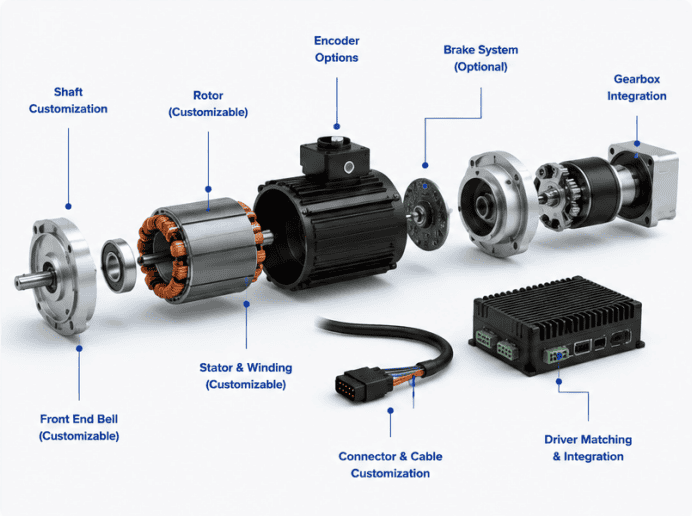
Motor Diameter
Motor Length
Winding Design
Voltage & Speed
Shaft Design
Mounting Flange
Hall Sensor
Encoder Integration
Gearbox Integration
Driver Integration
DISCUSS YOUR REQUIREMENTS →
Customized BLDC Motor OEM Solution

We Build Motors That Fit Your Application Perfectly

From mechanical structure to electrical performance, we provide full customization to meet your exact requirements.

exploded BLDC motor

BLDC Motor Applications

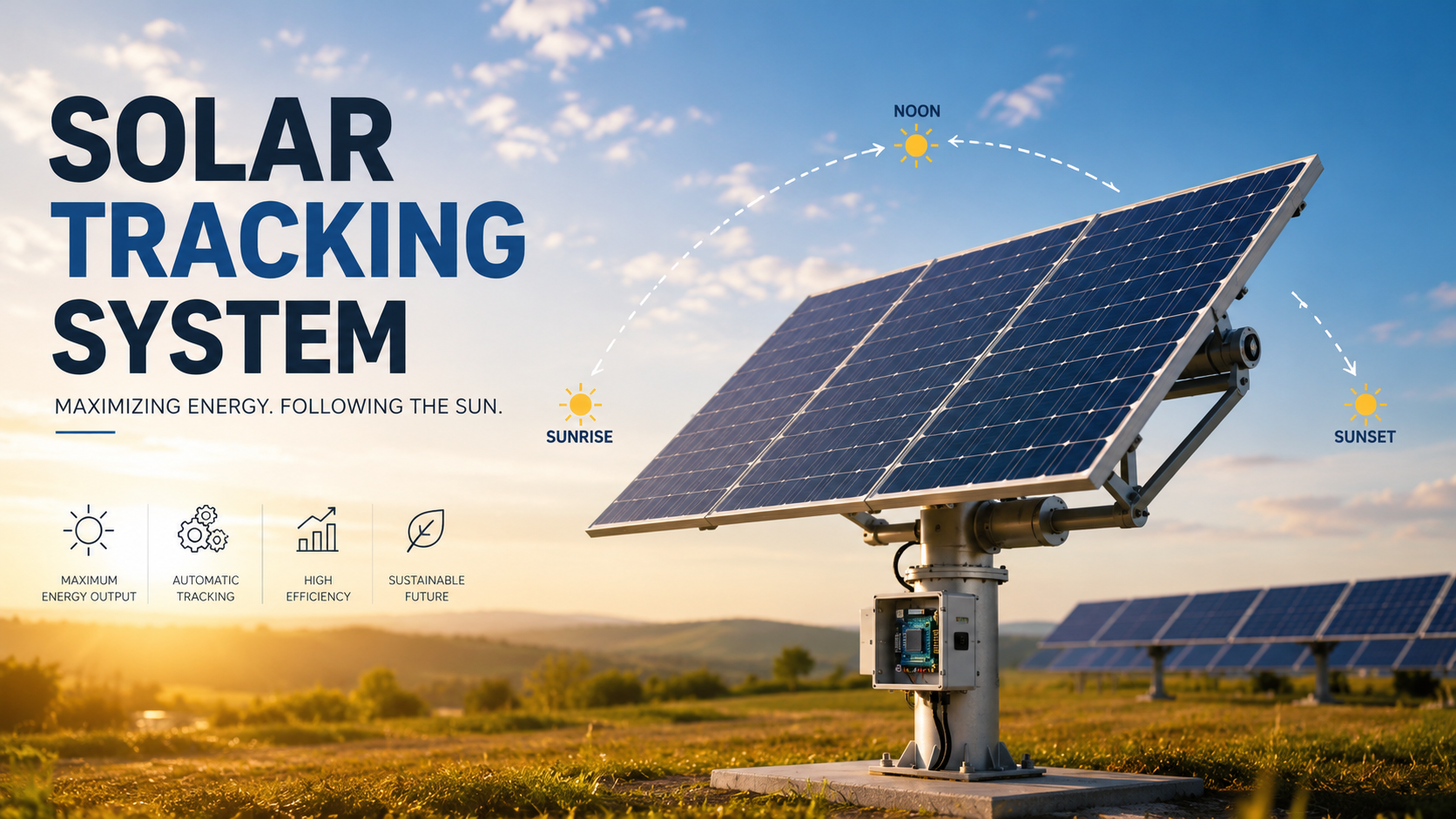
solar tracking system

Solar Tracking Systems

Stable torque output
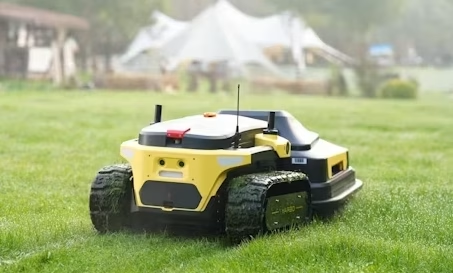
lawnmower robot

Robotics

Precise motion control

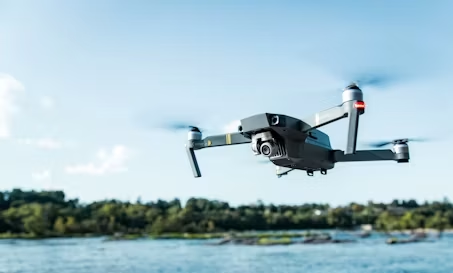
drone

Drones

High power density

Electric Bicycles

Electric Bikes

High efficiency

Electric Kayaks

Electric Kayaks

Low noise & reliability

Water Pumps

Water Pumps

Energy saving

Global Application Cases

Argentina

DC Brushless Gear Motor for Automatic Seeder Systems
Click Here

Russia

DC Brushless Motor and Controller for Automatic Door Solutions
Click Here

Vietnam

DC Brushless Gear Motor with Brake for Automatic Door Systems
Click Here

India

DC Brushless Motor with Gearbox and Brake for Pharmaceutical Warehousing Automation
Click Here

Japan

DC Brushless Gear Motor and Controller for Electric Stamp Machines
Click Here

New Zealand

High-Power DC Brushless Motors for Agricultural Machinery
Click Here

Turkey

High-Power DC Brushless Motor for Agricultural Equipment
Click Here

China

DC Brushless Motor & Planetary Gear Reducer Solutions for MJ Robot Camera Tracking Systems
Click Here
MOTOR COMPARISON

BLDC Motor vs Brushed DC Motor

Feature BLDC Motor Brushed DC Motor
Efficiency High Lower
Maintenance Low Higher
Noise Low Higher
Service Life Long Shorter
Speed Control Precise Limited
Commutation Electronic Mechanical
WHY UNITED MOTION

Why Choose UNITED MOTION INC.

15+ Years

Motor manufacturing experience and engineering support.

Global Manufacturing

Production capacity in China and Thailand.

OEM Customization

Motor, gearbox, encoder and driver integration.

North America Support

Local communication and technical support for OEM customers.

Global Compliance

CE, RoHS and REACH compliant solutions according to application.

MOTOR SELECTION GUIDE

How to Select the Right BLDC Motor

01

Determine Torque

Calculate continuous torque and peak torque required by the load.

02

Calculate Speed

Define required operating speed and maximum RPM.

03

Select Voltage

Match the motor voltage to your battery or DC power supply.

04

Choose Feedback

Select Hall sensors, encoder or sensorless control.

05

Check Environment

Consider IP protection, temperature, humidity and duty cycle.

FAQ for BLDC Motor

A BLDC motor (Brushless DC motor) is an electronically commutated motor that uses permanent magnets and electronic controllers instead of brushes. This design improves efficiency, reduces maintenance, and provides precise speed control compared with traditional brushed motors.

The KV rating indicates how many revolutions per minute (RPM) a BLDC motor will produce for every volt applied under no-load conditions. For example, a 1000 KV motor theoretically spins at approximately 24,000 RPM on a 24 V supply without a load. A higher KV rating provides higher speed but generally lower torque, while a lower KV rating delivers greater torque at lower speeds.

Yes. BLDC motors can easily rotate in both clockwise (CW) and counterclockwise (CCW) directions. The motor direction is changed by the controller, which alters the phase switching sequence. No mechanical modifications are required, making BLDC motors suitable for applications such as robotics, conveyors, and automated equipment.

BLDC motors are widely used in industries such as robotics, industrial automation, medical devices, electric vehicles, drones, and home appliances where efficiency and precise motion control are required.

To size a BLDC motor, determine the required torque, speed (RPM), power, operating voltage, duty cycle, and load characteristics. Engineers should also consider acceleration requirements, gear reduction, ambient temperature, and available installation space. Choosing a motor with an adequate safety margin helps ensure reliable long-term performance.

Common causes of BLDC motor overheating include overloading, excessive current, insufficient cooling, incorrect controller settings, poor ventilation, bearing failure, excessive ambient temperature, and operating beyond the rated duty cycle. Proper motor sizing, adequate cooling, and correctly configured controllers help prevent overheating and improve reliability.

Yes. BLDC motors require an electronic motor controller to regulate current flow and control rotor position. The controller ensures accurate speed, torque control, and efficient operation.

BLDC motors typically last 10,000 to over 30,000 operating hours, depending on bearing quality, operating temperature, load conditions, and maintenance. Because they have no brushes to wear out, BLDC motors generally offer a much longer service life than brushed DC motors. Proper cooling and avoiding overload can further extend motor lifespan.

BLDC motors offer several key advantages including high efficiency, long service life, low maintenance, and quiet operation. Because they eliminate brushes and mechanical commutation, they experience less friction and energy loss.

Yes. BLDC motors can run without Hall sensors using sensorless control based on back EMF. This reduces cost and complexity but may be less stable at low speed compared to Hall sensor versions.

The best voltage depends on the application's power and speed requirements. Common BLDC motor voltages include 12V, 24V, 36V, 48V, and 72V. Low-voltage motors are widely used in robotics, medical devices, and automation equipment, while higher voltages are preferred for electric vehicles, industrial machinery, and high-power systems. Always match the motor voltage with the controller and power supply.

A BLDC motor requires an electronic speed controller (ESC) or a dedicated BLDC motor controller. The controller converts DC power into a three-phase output while accurately switching the motor phases according to the rotor position. When selecting a controller, ensure its voltage, current, communication interface, and control mode are compatible with the motor specifications.

Yes. Many BLDC motor manufacturers offer customization options including:

  • Voltage and power ratings
  • Shaft design
  • Gearbox integration
  • Encoder or Hall sensors
  • Speed and torque specifications

This allows BLDC motors to be optimized for specific automation or robotics applications.

The main difference is the commutation method.
Brushed DC motors use mechanical brushes and a commutator, while BLDC motors use electronic commutation through a motor controller. This makes BLDC motors more efficient, quieter, and longer-lasting.

Related Products


Customer Service


United Motion Inc.’s motion solution apply in diverse areas all around the world.

Our sales and engineering support teams are ready to assist you with any questions, including quotation, application support, and product configuration.

Please submit your requirements through our Custom Service Form to ensure a faster response. Contact us by calling +1(857)250-1370 or you can reach us at info@unitedmotioninc.com for general inquiries.

Tell Us About Your Application Requirements


United Motion Inc welcomes  inquiries and challenges. If you find our standard products cannot meet your need, please feel free to contact us for customization. Our professional engineering and service team will quickly review your need and propose a solution if we can make it. 

We look forward to communicating and collaborating with you!

Scroll to Top