
What Are the Benefits of a Brushless Motor in a Lawn Mower?
Choosing the right motor is one of the most important decisions when designing or buying a lawn mower. Many buyers today are moving away from traditional brushed motors and gas engines toward brushless motors (BLDC motors). The reason is simple: better efficiency, longer lifespan, and lower maintenance.
If you are sourcing motors for robotic lawn mowers, electric push mowers, or commercial landscaping equipment, understanding the benefits of a brushless motor in a lawn mower will help you make smarter decisions. This guide explains everything in a practical and buyer-focused way.
What Is a Brushless Motor in a Lawn Mower?
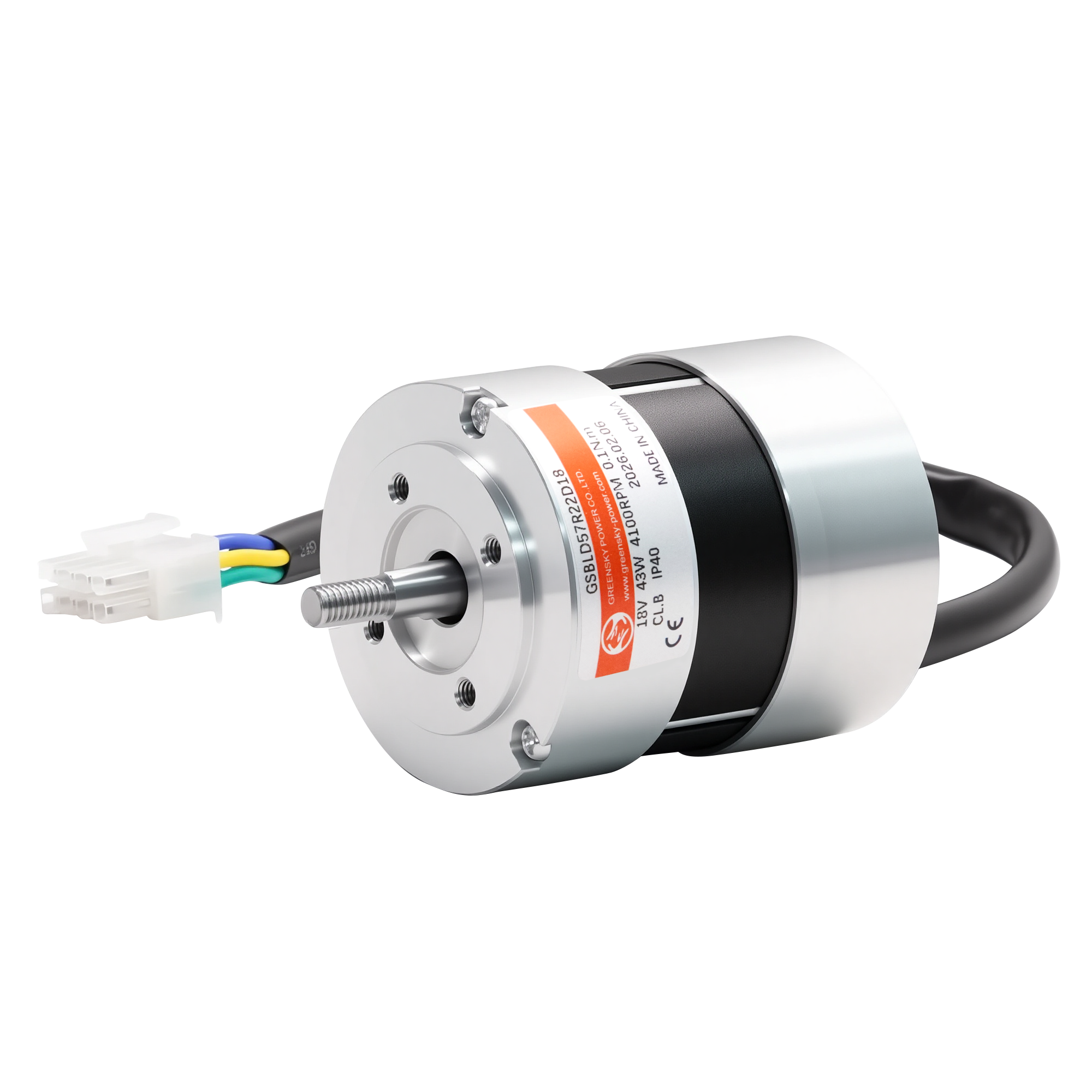
A brushless motor, also known as a BLDC motor (Brushless DC motor), uses electronic controllers instead of brushes to manage current flow. Unlike traditional motors, there is no physical contact inside that causes friction.
In a lawn mower, this means:
- The motor runs smoother
- Less heat is generated
- There is minimal wear over time
This design is especially important in robotic lawn mowers, where reliability and efficiency directly impact product performance and customer satisfaction.
Why Traditional Motors Fall Short in Lawn Mowers?
Before looking at the benefits, it helps to understand the problems buyers often face with older motor types.
Brushed motors and gas engines typically come with several issues. They wear out quickly due to friction between brushes and commutators. This leads to frequent maintenance, unexpected downtime, and shorter product life cycles. In addition, they are less energy-efficient, which increases battery consumption in electric mowers.
Noise is another major concern. Traditional motors tend to produce more vibration and sound, which is not ideal for residential environments or premium product positioning.
For manufacturers and distributors, these limitations translate into higher warranty costs, lower customer satisfaction, and reduced competitiveness in the market.
Key Benefits of Brushless Motors in Lawn Mowers
1. Higher Efficiency and Energy Savings
One of the biggest advantages of a brushless motor for lawn mowers is its high efficiency. Because there are no brushes creating friction, less energy is wasted as heat.
This directly improves:
- Battery runtime in electric lawn mowers
- Energy consumption in commercial equipment
- Overall system performance
For robotic lawn mowers, efficiency is critical. A more efficient motor allows longer operation time per charge, which is a key selling point for end users.
2. Longer Lifespan and Durability
Brushless motors are designed to last significantly longer than brushed motors. Since there are no brushes to wear out, the motor experiences much less mechanical stress.
This results in:
- Reduced replacement frequency
- Lower maintenance costs
- More reliable long-term operation
For B2B buyers, this means fewer returns and better product reputation in the market.
3. Low Maintenance Requirements
Maintenance is a hidden cost that many buyers underestimate. Traditional motors require regular inspection and replacement of brushes.
With a BLDC motor, maintenance is minimal. There are fewer moving parts, and the internal components are protected from wear.
This is especially valuable in:
Robotic lawn mowers (where maintenance is inconvenient)
Commercial landscaping equipment (where downtime costs money)
4. Quiet Operation
Noise reduction is becoming a key factor in product design. Brushless motors operate much more quietly compared to brushed motors and gas engines.
This makes them ideal for:
- Residential lawn mowers
- Smart robotic mowers
- Urban landscaping equipment
Lower noise levels improve user experience and help meet local noise regulations.
5. Better Speed and Torque Control
Brushless motors offer precise electronic control, which allows better adjustment of speed and torque.
In lawn mower applications, this means:
- Smooth cutting performance
- Adaptation to different grass densities
- Improved efficiency under varying loads
For example, when cutting thick grass, the motor can automatically adjust torque without wasting energy.
6. Compact Design and Lightweight Structure
Modern lawn mowers require compact and lightweight designs, especially robotic models.
Brushless motors:
- Have higher power density
- Take up less space
- Reduce overall machine weight
This allows manufacturers to design more advanced and portable products.
7. Improved Safety and Reliability
Because brushless motors generate less heat and have fewer wear components, they are inherently safer.
They are less likely to:
- Overheat
- Fail suddenly
- Cause electrical issues
This is critical for robotic lawn mowers that operate autonomously without supervision.
Applications of Brushless Motors in Lawn Mowers
Robotic Lawn Mowers
Brushless motors are widely used in robotic lawn mowers for:
- Drive wheels
- Cutting blades
Their efficiency and reliability make them the best choice for autonomous operation.
Electric Push Lawn Mowers
For electric push mowers, brushless motors provide:
- Longer battery life
- Stronger cutting power
- Reduced noise
This helps manufacturers compete with gas-powered alternatives.
Commercial Lawn Equipment
Commercial users demand durability and performance. Brushless motors meet these needs by offering:
- Continuous operation capability
- High torque output
- Reduced maintenance downtime
Why Buyers Prefer Brushless Motors Today?
From a market perspective, the shift toward brushless motors is driven by several trends.
First, environmental regulations are pushing manufacturers toward cleaner and more efficient solutions. Second, consumers expect quieter and smarter products. Third, the growth of robotic lawn mowers requires motors that can operate reliably for long periods without maintenance.
For B2B buyers, choosing brushless motors is no longer optional—it is becoming a standard requirement.
How to Choose the Right Brushless Motor for Lawn Mowers?
Selecting the right motor depends on several factors.
Power and Torque Requirements
The motor must match the cutting load and terrain conditions.
Voltage and Efficiency
Common options include 24V BLDC motors and higher voltage systems for commercial use.
Size and Integration
Compact designs are important for modern mower structures.
Supplier Reliability
Working with an experienced manufacturer like United Motion Inc. ensures consistent quality, customization support, and reliable delivery.
Additional Insights for Buyers
When sourcing brushless motors for lawn mowers, it is important to consider not only the motor itself but also the full system integration.
For example, pairing the motor with the right controller can significantly improve performance. Thermal management, waterproofing, and durability testing are also critical factors for outdoor applications.
Another trend worth noting is the increasing use of high torque BLDC motors in robotic mowers. These motors allow better traction and cutting efficiency, especially on uneven terrain.
Common Questions About Brushless Motors in Lawn Mowers
Are brushless motors worth the higher cost?
Yes, while the initial cost may be higher, the long-term savings in maintenance, energy efficiency, and durability make them more cost-effective.
Do brushless motors improve cutting performance?
Yes, they provide better torque control, which leads to smoother and more consistent cutting results.
Are brushless motors suitable for all lawn mowers?
They are suitable for most modern designs, especially electric and robotic lawn mowers.
Conclusion
The benefits of a brushless motor in a lawn mower are clear: higher efficiency, longer lifespan, lower maintenance, and better performance.
For manufacturers and buyers, adopting brushless technology is not just an upgrade—it is a strategic move to stay competitive in a rapidly evolving market.
At United Motion Inc., we specialize in providing high-performance BLDC motors for lawn mower applications, including robotic systems and commercial equipment. Our solutions are designed to meet the real needs of modern buyers: reliability, efficiency, and long-term value.
References
Industry reports on electric lawn mower market trends
Technical documentation on BLDC motor efficiency and lifespan
Engineering studies on motor performance in outdoor equipment
Market analysis of robotic lawn mower growth and technology adoption
Related blog: How Robotic Lawn Mower Motors Work?